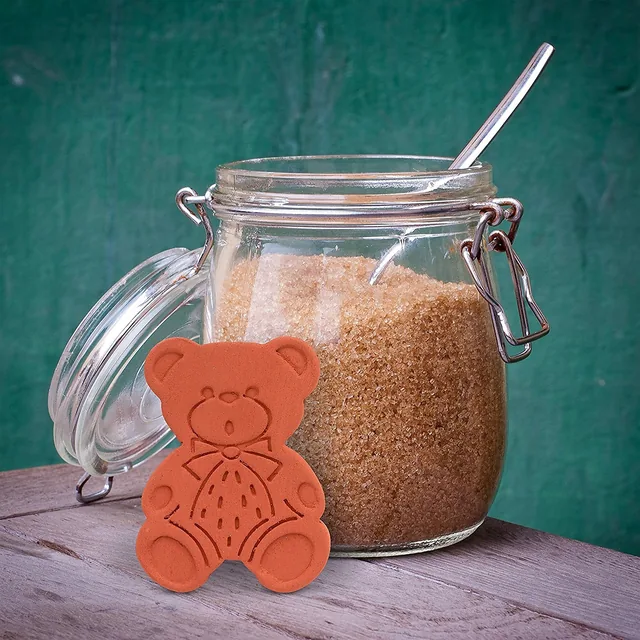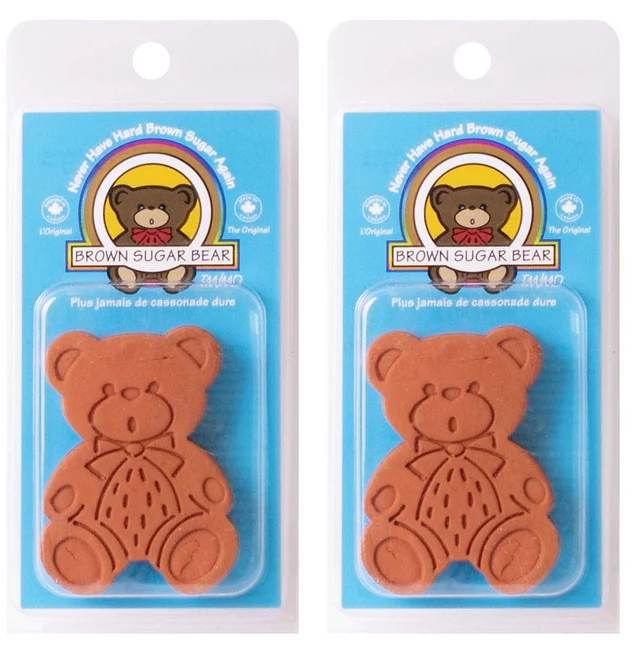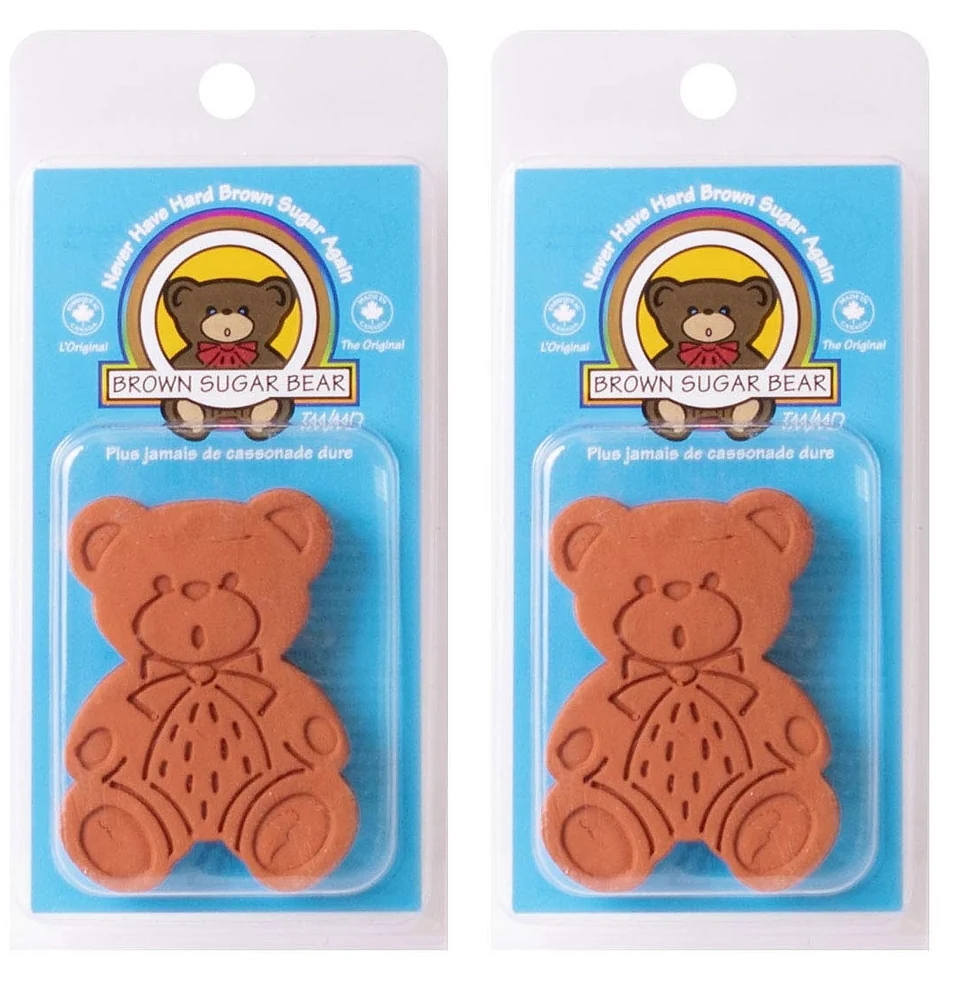
Choose a single Brown Sugar Bear for one brown-sugar container. Choose the two-pack when you keep light and dark brown sugar separately, want a bear for a second suitable use, or plan to share one with another baker. Start with the containers you actually use, and the pack choice becomes much easier.
Both options bring the same basic idea to the kitchen: reusable, specially fired clay that you soak, pat dry, and place with brown sugar in a tightly closed container. Buying two does not introduce a different setup method. It gives you two individual bears to assign thoughtfully. This guide helps you choose a pack, check the fit of your storage arrangement, and make the product useful from the first day.
Begin with one simple question
How many separate containers need a bear? Count closed storage spaces, not recipes. A household may bake five different things from one jar of light brown sugar and still have one main use. Another household may bake less often but keep light and dark brown sugar in separate jars. Its storage arrangement creates two independent places to maintain.
Do not count a spare empty canister as a current need unless you have a real plan for it. Buying around an imagined future pantry can leave you with accessories that never find a job. Look at the shelf as it is today. If you have one opened bag and no reason to separate it, a single bear is a clear starting point.
Also check whether the problem is the number of bears or the quality of the closure. Two bears in a container with a lid that does not close well are not an automatic improvement over one properly prepared bear in suitable storage. Solve the basic arrangement first, then choose the pack that matches it. The product works best as part of a habit you can maintain.
When the single bear makes sense
The Original Brown Sugar Bear, single suits a kitchen with one regularly used brown-sugar container. It lets you learn the setup without deciding where a second piece should go. Soak it for about 20 minutes, pat away surface water, and put it with the sugar. Keep the lid closed between uses and check texture as you bake.
A single is also a thoughtful choice when you are trying the accessory for the first time. You can see how it fits through your container’s opening, how easy it is to retrieve before measuring, and whether your household remembers to return it after a recipe. These practical details matter more than buying extra pieces before you know where they will live.
For a compact kitchen, fewer assigned objects can be an advantage. Give the bear one job and one home. Set it on a clean dish while you measure, then put it back in the sugar. You will spend less time wondering whether it is dry, hydrated, in the wrong jar, or waiting beside a sink. Simplicity is a useful feature of the arrangement you create.
When the two-pack earns its place
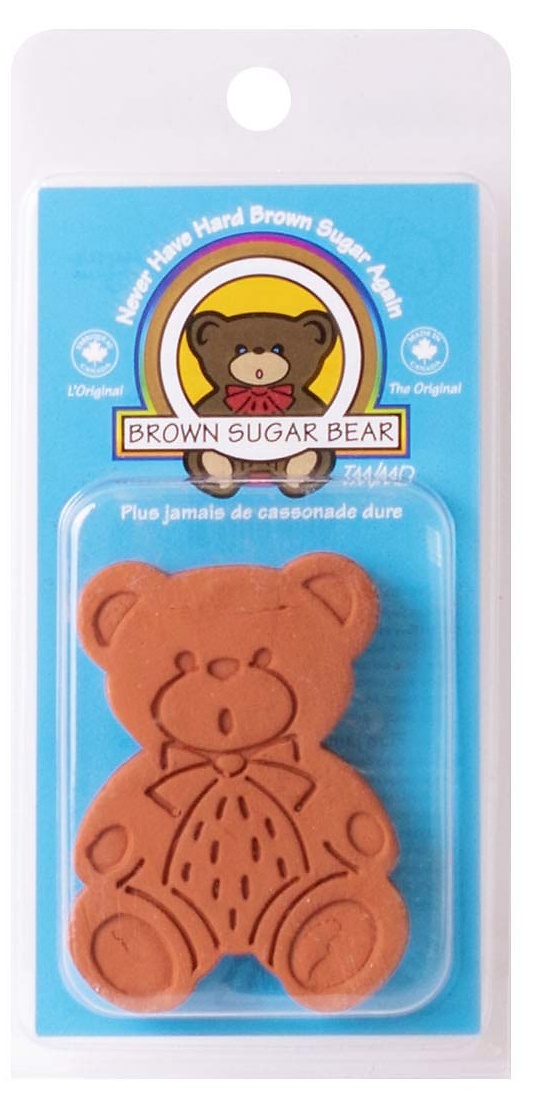
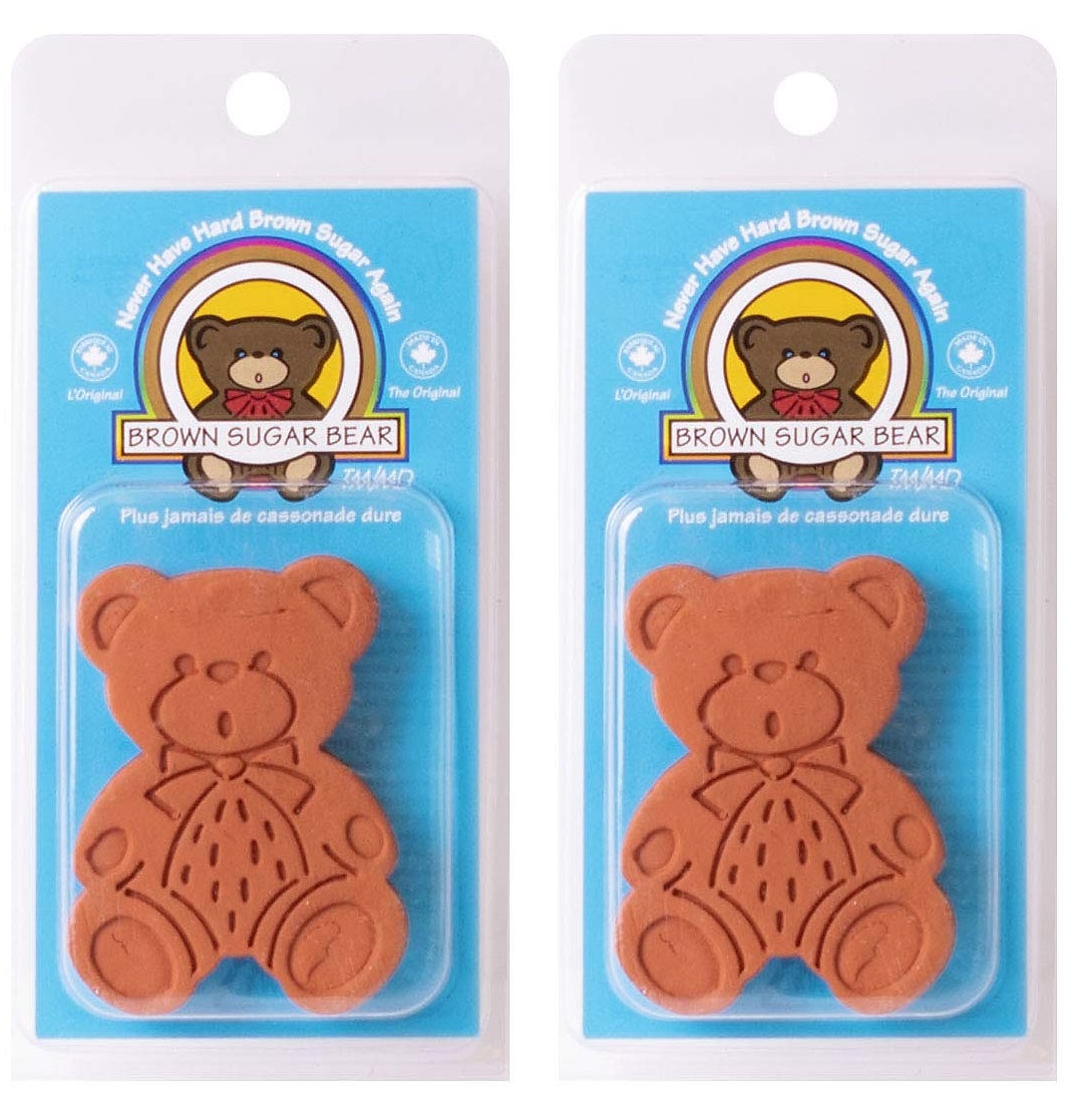
The Original Brown Sugar Bear two-pack is useful when there are two clear destinations. Separate light and dark brown sugar jars are the most direct example. Each bear stays with its own ingredient, and both jars can remain closed when they are not in use. You do not have to move a damp piece of clay back and forth between containers.
A second destination can also be another household. Keep one bear and give one to a friend who bakes, provided you can include the care instructions with the gift. A small accessory becomes more useful when its purpose is explained. The recipient should know about the 20-minute soak, blotting the surface, and keeping the bear out of the mixing bowl.
Another reason for a pair is dedicating separate bears to different suitable uses described in the product directions. Hydrated use and completely dry use start differently. Assigning one bear to brown sugar and another to a dry application can make that distinction easier to remember. Do not treat the second piece as an invitation to put a wet bear into any ingredient that happens to clump.
Compare the options by use
| Your kitchen | Option to consider | Why it fits |
|---|---|---|
| One brown-sugar jar | Single bear | One piece with one clear home |
| Light and dark sugar stored separately | Two-pack | Each closed container gets its own bear |
| Trying a sugar saver for the first time | Single bear | Learn the routine before adding another use |
| Sharing with another baker | Two-pack | Keep one and pass along one with instructions |
| Hydrated and dry applications | Two-pack | Keep the two preparation routines separate |
Use the table as a planning aid, not a rule about how every household should organize its pantry. Some people prefer one kind of brown sugar; others need both for the recipes they make. The product choice should follow that real difference. There is no need to create extra categories just to justify a larger pack.
Understand what you are choosing
The single option is one sugar saver; the two-pack is two. A storage jar, sugar, scoop, and baking ingredients are separate unless the offer you open explicitly says otherwise. Lifestyle photographs show how the bear can sit with a container, but a scene is not a list of included items. Check the pack description at the point of purchase before you complete an order.
The bear is made from specially fired clay and is intended for repeated use. It is not edible, and it is not a sugar substitute. The product name can be familiar enough that these distinctions feel obvious, but they are worth explaining when you give one to somebody who has never seen a ceramic sugar saver before.
Packaging can also be part of your decision, especially for a gift. Review the photographs of the selected option and the current offer details. Do not assume that an image of an individual bear means it arrives unwrapped, or that a photograph of two packages adds other accessories. The simplest comparison is the stated number of bears and the intended destination for each one.
Check your container before ordering
Open the container you plan to use and think through the whole motion: place the bear, close the lid, open it again, lift the bear out, and take a scoop of sugar. A narrow opening can make an otherwise attractive jar awkward. A container filled to the rim can leave no comfortable space for the ceramic. Solve those practical issues before making the shelf more complicated.
You do not necessarily need a new storage system. A clean food-safe container with a lid that closes firmly may already be in your kitchen. Check any removable gasket and the condition of the rim. If you use a resealable food bag, inspect the closure and look for damage. The bear and the container have complementary jobs, so pay attention to both.
Plan a temporary resting place for the bear during baking. A small clean dish works well because it keeps the ceramic visible while you weigh or scoop. It also separates the bear from utensils waiting to be washed. If your measuring area is cramped, placing that dish before you start a recipe can make the whole routine less awkward.
A practical setup for a one-jar kitchen
Keep the single bear near the top of the sugar so it is easy to find. Label the container with the type of sugar and keep the original package information if you need it. Put the measuring cup or scoop nearby, but avoid leaving a handle under the lid where it prevents a complete closure. Every piece should support the storage routine rather than interfere with it.
On the first day, start the soak while you put away groceries. Blot the bear after about 20 minutes and place it with the sugar. If the sugar is already hard, give the closed container time before judging the result. The soak prepares the clay; it does not establish an instant deadline for restoring every block of sugar.
After that, use the ingredient itself as your reminder. If it starts to firm up, check the lid and refresh the bear as needed. You do not have to add a second bear simply because you forgot to prepare the first one again. A reliable routine with the product you own is the right first step.
A practical setup for light and dark sugar
Place the two labeled containers beside each other if that suits your shelf, but keep their contents distinct. Assign one bear to each jar. When you clean or re-soak them, use a simple arrangement that lets you return each piece to its usual ingredient. You do not need a complicated tracking system; two clean dishes or a clear sequence can be enough.
Before a recipe, read which sugar it asks for and open only that container. Remove the bear, measure, return it, and close the lid. If a recipe uses both types, measure them separately so you can keep the jars straight. Matching containers may look calm, but clear labels do more for the accuracy of a recipe than visual uniformity alone.
Check both jars when you make a shopping list. They may empty at different speeds, and their texture may change differently if one is opened more often. Having two bears does not mean both must be re-soaked on the same day. Check the condition of each ingredient and use the documented routine when it needs attention.
Giving a bear to someone who bakes
A useful small gift begins with knowing the recipient’s routine. Someone who regularly bakes cookies, mixes crumble toppings, or uses brown sugar in sauces may appreciate an accessory that keeps the ingredient easier to measure. Someone who rarely keeps brown sugar may have less use for it. Choose around the person rather than expecting a friendly shape to make every kitchen need the same thing.
Include a short first-use note. Explain that the bear is soaked in plain water for about 20 minutes, blotted dry on the outside, and placed with brown sugar in a tightly closed container. Add that it should be removed before measuring or mixing and rinsed without soap. Those few details turn a puzzling ceramic object into a tool the recipient can use confidently.
If you split a two-pack, make sure each recipient receives the relevant instructions and knows where to find the care guide. Do not give the second bear loose in a bag where it may knock against heavier objects. Protect it from impacts and keep it clean. Thoughtful presentation is mostly about making the product arrive intact and making its purpose clear.
Build a gift around a real baking habit
You can pair the bear with a recipe card for something the recipient already enjoys making. A familiar recipe makes the storage tool’s role concrete: it helps keep an ingredient ready for the next batch. If you include a jar, choose a food-storage container that closes well and gives easy access to the bear. Do not let an attractive but impractical vessel undermine the useful part of the gift.
Keep any food additions separate and properly packaged. The bear does not replace the storage directions for those ingredients. If the recipient has preferences or restrictions, let those guide the food you include. There is no need to invent an elaborate hamper when a carefully chosen accessory and a clear note would be more welcome.
A shared two-pack can also become a quiet invitation to bake together. One person keeps a bear, and the other takes one home with the recipe you made. The value is in the useful object and the shared activity, not in claiming the product transforms every baking result. Good gifts can be modest and still earn a regular place in the kitchen.
Planning a second use without mixing routines
The product directions describe using hydrated clay to help maintain moisture with suitable foods and completely dry clay to absorb moisture in other situations. If you want to explore both, read the directions for the exact application before you start. The condition of the bear matters. A wet bear and a dry bear are not interchangeable simply because they look alike.
Keep a bear used with a strongly scented ingredient separate from the one you use with brown sugar. Porous material can retain unwanted odors, and a sugar jar is not the place to discover that a shared accessory carries yesterday’s spice aroma. Dedicated use also keeps the cleaning routine easier to understand.
Do not expand the use beyond the product instructions because another ceramic kitchen tool looks similar. A sugar saver, a bread warmer, and a pot minder may all be made from clay, but their purposes and care can differ. The second bear in the pack is another sugar saver, not permission to invent heating or cooking applications for it.
Think about care before comparing value
A reusable product earns its place when it is easy to maintain. For Brown Sugar Bear, that means plain-water soaking, gentle blotting, and careful handling. Keep it out of a sinkful of soapy dishes. Allow it to dry fully before putting it away between uses, and inspect it if it has been dropped or knocked against another hard object.
Do not keep using a damaged bear just because it was inexpensive. The product sits with food, so its condition matters. If a new item arrives with damage, use the order-support options connected with your purchase. A customer’s comment about cosmetic flaws can tell you what to inspect, but it should not replace your own judgment about an actual chip or loose fragment.
Compare prices only after deciding which pack fits. The current price on the offer you open, any shipping charges, and the number of bears all affect the amount you pay. A lower total for a single may suit one jar better, while a pair can make sense for two planned destinations. Buying an unused spare solely because of a unit-price comparison is not automatically the most useful choice.
| Question | What a useful answer looks like |
|---|---|
| Where will each bear live? | A named container or a specific gift recipient |
| Does the container close properly? | The lid seats fully with no trapped utensil |
| Can I remove the bear easily? | The opening leaves comfortable room to retrieve it |
| Do I understand the setup? | 20-minute soak, surface blot, closed storage |
| What am I actually buying? | The selected single or two-pack, with included items checked |
| Where will I get order help? | The account and order used at checkout |
Read customer reviews for practical details
Reviews are most useful when they answer a question about your own use. Look for comments on the preparation routine, how the bear fits into storage, and the condition in which it arrived. A broad statement that someone liked a product is pleasant, but a detail about finding it in a jar or inspecting the ceramic may help you plan better.
Keep the reviewed product and pack in view. A comment about a single bear should not become a claim about every possible pack or seller. Individual experiences also vary. One person may report a quick change in hardened sugar, while another may wait longer. Treat those accounts as experiences, not as a guaranteed schedule for your container.
Useful reservations deserve attention too. In the sourced single-bear reviews shown on this site, one buyer liked the effect on sugar but mentioned shallow surface cracks. That is a reason to inspect an item when it arrives. It is not a reason to assume all bears arrive that way or that every crack is harmless. Review details help you ask the right questions.
Make the first week uncomplicated
When the pack arrives, inspect the ceramic and read the instructions before putting it away. Assign each bear to its intended container or recipient. Start with one clearly understood use rather than trying several applications at the same time. A product that has an immediate place in the kitchen is less likely to become another small item lost in a drawer.
Prepare the bear, blot it, and place it with the sugar. Check that the lid closes and the container is labeled. On your next baking day, practice removing the bear before measuring and returning it afterward. These motions take very little time, but they establish the habit that makes a simple accessory useful over repeated recipes.
If something does not work as expected, check the setup in order: sound container, prepared bear, no dripping water, complete closure, and enough time. Our step-by-step use guide covers those checks in detail. For a wider look at bags, jars, and different baking schedules, read keeping brown sugar soft.
Check the offer before the final purchase
Opening a purchase button takes you to the selected product offer. Check that the pack size still matches your choice and review the seller’s current price, delivery estimate, and available order terms. Those details can change independently of the photographs you used while comparing the bears. A final look is especially useful when buying a gift for a particular date.
Keep the order confirmation where you normally keep purchase records. If the item arrives damaged or a pack is incomplete, the order itself is the useful starting point for help. You do not need to remember which article introduced you to the product. Open the account used at checkout, find the purchase, and review the support options available for that order.
When the package arrives, check it before storing a bear in food or passing it along as a gift. Confirm the number of pieces, inspect their condition, and keep the instructions. If you are dividing a pair, make sure the second person receives the same essential setup information. That small handover makes a shared pack as practical as buying a single for each household.
Choose the pack with a clear purpose
For one brown-sugar container, the single bear is an easy place to start. For two separate jars, two distinct suitable uses, or a planned shared gift, the two-pack gives each bear a job. The choice is small, but matching it to your routine avoids unnecessary clutter and makes the instructions easier to follow.
Take a moment to look at your shelf before you choose. Count the containers, check their closures, and decide where the bear will rest while you measure. Then compare the available Brown Sugar Bear options and open the selected offer for current purchase details. A little planning is enough to give this little kitchen helper a useful home.