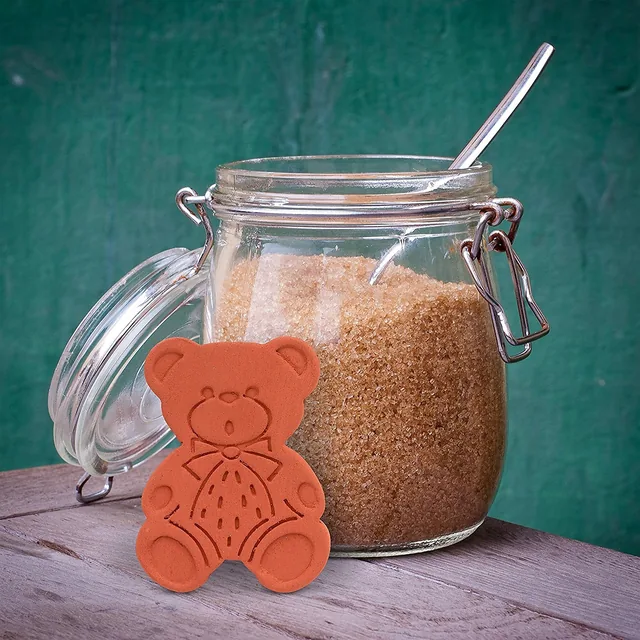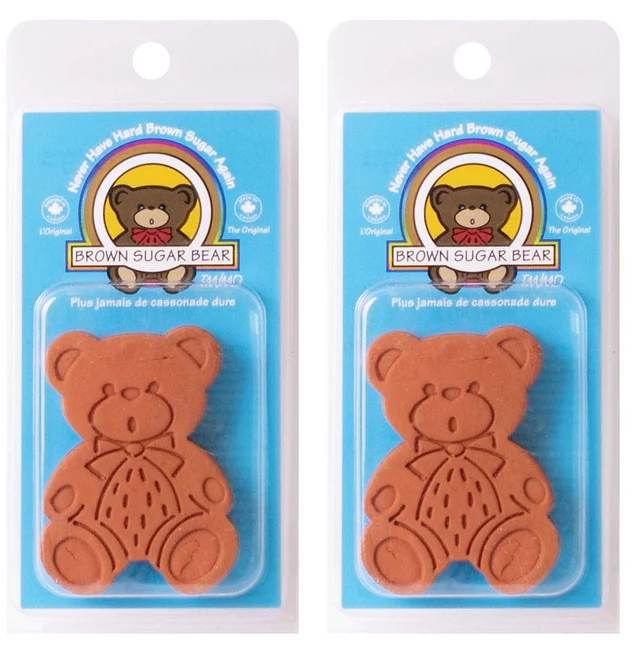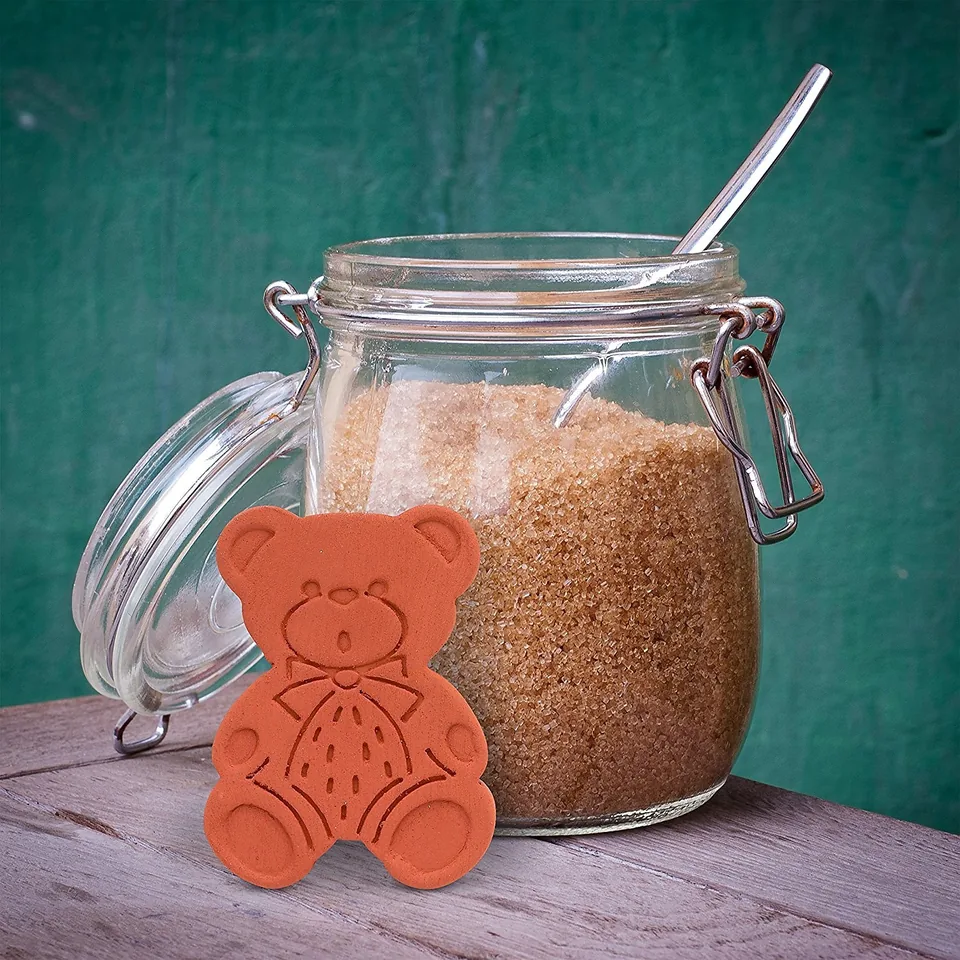
Soft brown sugar starts with a container that closes well and a storage habit you can repeat. A prepared Brown Sugar Bear helps supply moisture inside that container, so the next scoop is easier to measure when you are ready to bake.
Hard sugar usually announces itself at the least useful moment: the butter is soft, the oven is heating, and the ingredient you expected to scoop has become a block. Keeping brown sugar workable is less about buying an entire new pantry system and more about understanding what that particular ingredient needs. This guide connects the bear’s role with container choice, everyday baking, and the decisions to make when the sugar has already hardened.
Why brown sugar becomes hard
Brown sugar loses its soft texture when moisture escapes. Domino Sugar explains this relationship in its storage guidance: restoring moisture is the basis of the methods used to soften hardened brown sugar. A folded paper bag on an open shelf may keep the crystals together, but it does not necessarily create the close-fitting barrier you need for storage between recipes.
That does not mean every kitchen behaves alike. A bag that seems fine during a humid part of the year may become firm more quickly when the room is drier. A container opened several times a day has a different routine from one left untouched between holiday baking sessions. Rather than blaming the sugar or buying another bag immediately, look at the conditions around it.
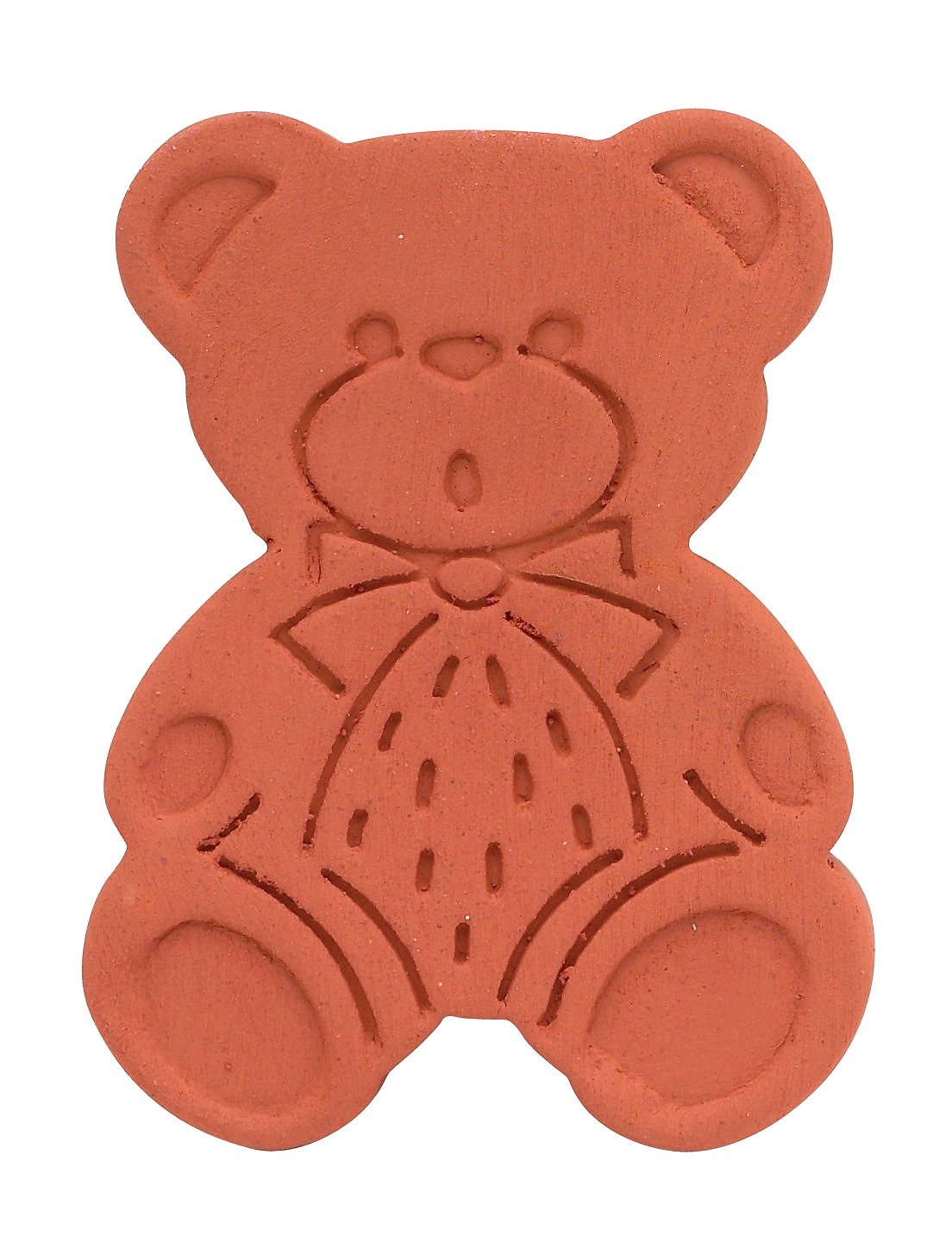
The Brown Sugar Bear addresses the moisture side of that problem. Soak the clay, pat the surface dry, and place it with the sugar in a closed container. It is not a substitute for the lid, and the lid does not hydrate a dry bear. The two work as a pair of practical storage measures. For the complete first-use sequence, see how to use your Brown Sugar Bear.
Start with the container you already own
Before shopping for new canisters, examine the one on your shelf. Does the lid seat evenly? Is the rim clean? If it has a removable seal, is that seal positioned correctly? Can you open and close it without forcing the parts together? A storage problem can come from something as small as sugar crystals trapped along a rim, so check the ordinary details first.
The container also needs to suit the way you measure. If you usually scoop with a measuring cup, a wide opening can be more useful than a tall, narrow shape. If you weigh ingredients by pouring them, make sure you can remove the bear first and control the pour comfortably. A container that looks organized but makes every recipe awkward is unlikely to encourage a consistent routine.
Leave a little working space above the sugar. Filling right to the edge can keep a lid from closing, spill crystals onto the counter, and make it hard to retrieve the bear. You do not need an oversized container for a small bag, but you do need room to use what is inside. Choose the capacity around your normal purchase and measuring method.
Bag, jar, or canister?
A sound moisture-proof resealable bag can be a practical option, especially in a small kitchen. Press the closure together carefully and keep sugar crystals out of the track. Put the bear where you can find it before pouring. If a bag becomes damaged or will not close, move the sugar to suitable food storage instead of relying on a clip to fix every kind of packaging problem.
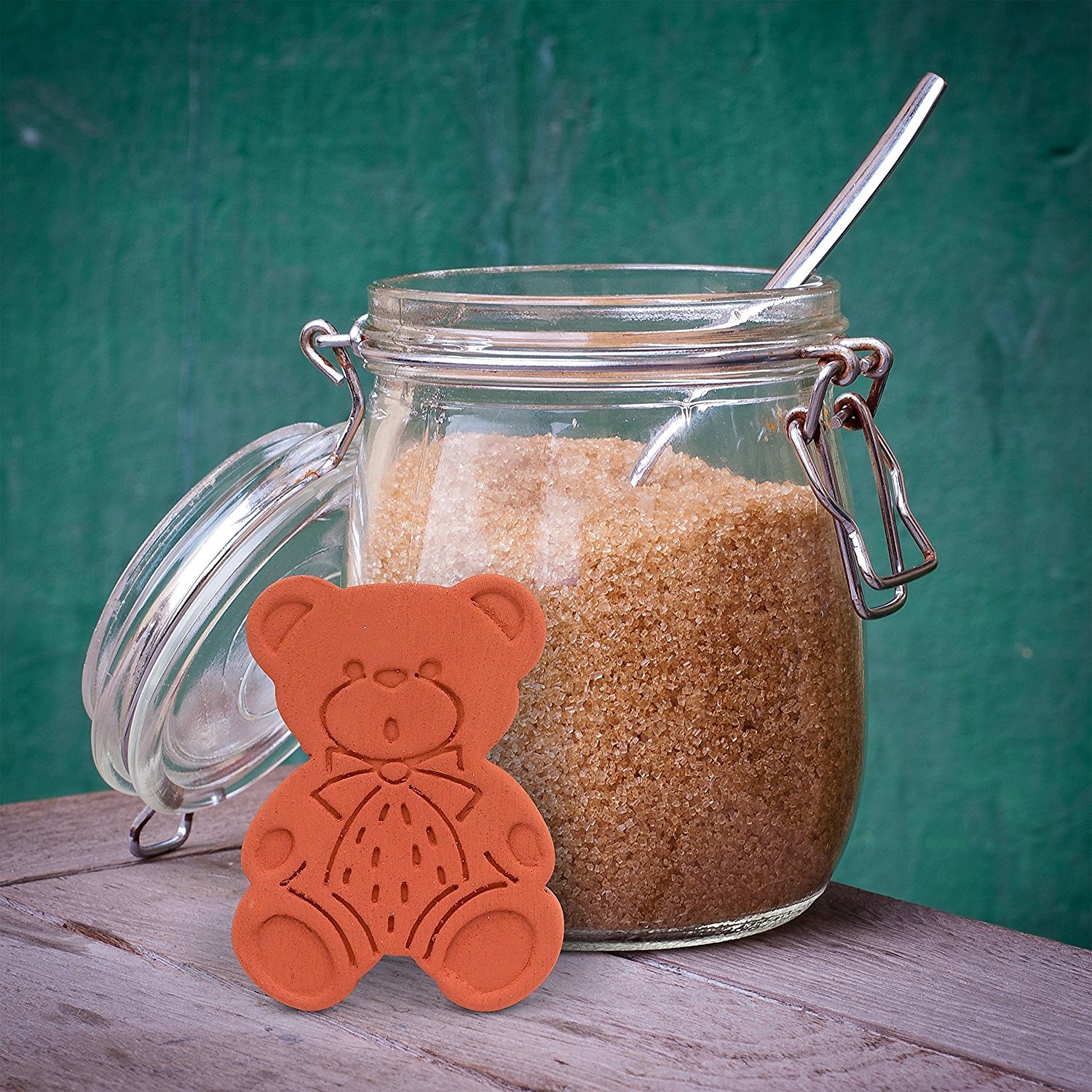
A rigid jar makes it easier to see the level of the sugar and place the bear near the top. Check that the mouth gives you room to reach in without scraping ceramic against glass. A gasketed closure can be convenient, but inspect and care for the gasket according to the container maker’s instructions. The presence of a clasp alone does not tell you whether every part is fitted correctly.
An opaque canister may protect the look of a busy shelf and still work well. Give it a clear label, particularly if your flour, white sugar, and brown sugar containers match. The label is part of usability, not just decoration. Store the remaining original package information separately if it helps you keep track of the ingredient you bought.
| Option | Useful for | Check before relying on it |
|---|---|---|
| Resealable food bag | Small shelves and keeping original packaging | Undamaged bag and a completely closed seal |
| Wide-mouth jar | Seeing the sugar level and using a scoop | Lid fit, clean rim, and easy bear retrieval |
| Opaque canister | A labeled pantry arrangement | Sound closure and clear ingredient identity |
| Bag inside a canister | Keeping package information with the ingredient | The bear and sugar share the same closed space |
Choose a sensible place on the shelf
Pick a location where the container is easy to reach and easy to put back. A heavy jar wedged behind several appliances is less likely to be closed and stored carefully during a busy cooking session. Keep the routine convenient enough that everyone who uses the sugar will follow it. A front-of-shelf position can be more helpful than elaborate labels you rarely see.
Follow the sugar manufacturer’s storage advice for the ingredient itself. Domino advises against refrigerator storage for brown sugar and describes a tightly closed container as the everyday approach. Do not turn a general pantry tip into a rule for every food: an ingredient that needs refrigeration still needs it, and a sugar saver does not change that requirement.
Keep cleaning products and strongly scented supplies away from food-storage accessories. The bear is porous, and brown sugar should smell like the ingredient you intend to bake with. Storing the ceramic among scented sachets or leaving it in a soapy dish area adds an avoidable complication. Give it a clean home with the ingredient or in a dry kitchen storage space when it is not in use.
A routine for someone who bakes every week
Frequent baking gives you plenty of chances to check texture. When you open the jar, notice whether a spoon moves through the sugar easily or whether the edges are becoming firm. You do not need a separate inspection session. The ordinary moment of measuring tells you whether the current storage setup is working.
Remove the bear before weighing or pouring, then return it after you take the amount you need. Close the jar while you mix rather than leaving it open beside the bowl for the entire recipe. This also reduces the chance of flour, butter, or another ingredient finding its way into the storage container. A clean, dry utensil makes the routine easier to maintain.
Keep your shopping quantity in line with how much you use. Buying a larger bag can be convenient, but only if your container has room and your household will use it. A sugar saver helps manage texture; it is not a reason to buy more than you need. The most useful pantry contains ingredients that move into actual recipes, not merely containers that look full.
A routine for occasional and holiday baking
If you bake mainly for birthdays or holidays, check the sugar before the day you plan to use it. Open the container while you make the shopping list. Look at the sugar, smell it as you normally would an ingredient, check the bear’s condition, and decide whether the texture needs attention. Doing this early gives a gradual moisture method time to work.
Write down the recipes you intend to make and compare their sugar requirements. Several recipes may draw from the same container, so a jar that looks half full can be less generous than it seems. Softening a small amount of sugar will not solve a quantity shortage. Good preparation treats condition and quantity as separate questions.
When the baking period ends, clean up the container rim, close it securely, and put it somewhere you will remember. If the bear is being put away separately, rinse off adhering sugar and let it dry completely first. Next time you return to the ingredient, prepare the bear according to its intended use instead of assuming a dry stored bear is already hydrated.
Keep light and dark brown sugar distinct
Light and dark brown sugar serve different flavor choices in a recipe. The saver is about storage texture, not changing one kind into the other. Keep each ingredient labeled with the name on its package. If a recipe specifies a particular type, having two clearly marked containers saves you from making the decision halfway through measuring.
Two containers also mean two separate storage environments. A bear sitting in a light-brown-sugar jar cannot help sugar sealed in a different jar nearby. If you use both regularly, the Brown Sugar Bear two-pack lets you assign one to each. This is a practical reason to choose two; it does not mean one ordinary jar automatically needs both bears.
Keep each bear with its assigned ingredient during use and cleaning. Set it on a small dish while you measure, then return it to the right container. If several people bake in the household, a short instruction beside the jars can be more useful than expecting everyone to know what the ceramic is for. Clear organization prevents accidental mixing and keeps the preparation consistent.
Why workable sugar helps with measuring
Soft sugar is easier to portion in a repeatable way. A large hard lump does not fill a cup in the same manner as loose sugar that you can pack according to a recipe. When the ingredient is workable, you can use the requested measuring method without trying to estimate the empty spaces around chunks. That makes preparation calmer even before you start mixing.
When a recipe provides a weight, place the bowl on the scale and tare it before adding the sugar. Remove the bear first. It sounds obvious, but a small ceramic shape can disappear under a deep layer of sugar, especially if you pour quickly. Take the extra moment to locate it instead of relying on the sound of something solid reaching the mixing bowl.
For volume measurements, follow the recipe’s wording. If it says packed, use a suitable measuring cup and pack the sugar as directed. If it gives a different method, follow that method. A Brown Sugar Bear does not create a universal weight-per-cup conversion, and it does not remove the need to read the recipe. It simply helps the ingredient remain easier to handle.
When you discover a hard block
First decide how soon you need the sugar. If you have time, prepare the bear and place it with the hardened sugar in a tightly closed container. Check again later for softening. A block may loosen at the edges before the center becomes workable. Do not translate a customer’s reported result into a guaranteed wait for your kitchen; the starting condition and container can be different.
If the recipe is already underway, be realistic about a gradual method. You may need to postpone the recipe, use a suitable ingredient you already have, or follow a specific softening method from the sugar manufacturer. Keep any heating procedure separate from the ceramic bear. This product’s soaking instructions do not establish that it should be heated in a microwave or an oven.
Handle hot ingredients with care if you choose a manufacturer-documented heating method. Do not heat a closed storage container, and do not assume a decorative jar is heat-safe. This guide focuses on storage and the hydrated bear rather than offering a universal microwave time. Once you have addressed the immediate recipe, return to the container and closure so the same problem is less likely to surprise you again.
Why not keep adding household substitutes?
You may have heard of bread, marshmallows, or other moisture sources placed beside hard sugar. Those approaches appear in some sugar manufacturers’ advice, but each extra food brings another thing to track and remove. For a recurring storage routine, a reusable clay accessory gives you one recognizable object with a defined preparation method. Choose the approach you can manage cleanly and consistently.
Avoid combining several approaches at once simply because the sugar feels very hard. A dripping towel, a damp bear, and added food make it harder to understand where excess moisture or an unwanted smell came from. Start with one documented method and give it a fair chance. More moisture sources do not automatically make the process more controlled.
Never treat a sugar saver as permission to ignore the condition of the food. If you see a problem unrelated to ordinary dryness, stop and assess that issue separately. Restoring softness is not the same as restoring safety. That distinction keeps a useful kitchen tool in its proper role and avoids expecting it to solve problems it was not made to address.
When your usual routine stops working
A change in texture is a reason to inspect the setup, not automatically a sign that the bear has worn out. Check the lid and seal, then think about recent use. Was the container left open during several long baking sessions? Did it move to a different shelf? Did someone rinse the bear and put it away dry rather than rehydrating it before returning it to sugar?
Refresh the bear with the documented soak-and-blot method when the sugar starts to firm up. Give the closed container time and watch the result. Keeping a brief note for yourself can be useful if you are trying to understand a new container, but there is no need to turn routine storage into a measurement project. A simple observation such as “lid was loose” is often enough.
If the sugar repeatedly hardens quickly, consider whether the container is the weak point. Replacing a worn lid or choosing a better closure may be more useful than repeatedly adding more water. The bear can only help within the conditions you provide. Work through one change at a time so you can tell which adjustment actually makes the kitchen routine easier.
| Situation | Useful first question | Practical response |
|---|---|---|
| Sugar hard after a long break | Was the bear still hydrated? | Prepare it again and allow time |
| Sugar hard despite recent soaking | Does the container close completely? | Check the rim, gasket, and lid |
| One wet area | Was surface water blotted away? | Review preparation before adding moisture |
| Wrong sugar in the recipe | Are the containers clearly labeled? | Keep light and dark sugar distinct |
| Bear hard to retrieve | Is the jar too narrow or overfilled? | Choose a more usable arrangement |
Brown sugar is not the rule for every ingredient
A pantry may look more organized when all containers match, but its ingredients do not all want the same conditions. Brown sugar’s loss of moisture is different from the way ordinary granulated sugar can clump in humid storage. Do not place a wet bear in every sugar jar just because it helps the brown sugar. Follow the storage instructions for each ingredient.
The product directions also describe completely dry use for absorbing moisture with certain foods. That begins with a fully dry bear, which is the opposite of the hydrated preparation described here. If you want a bear for both roles, keeping them separate is easier than switching one back and forth and trying to remember its current condition.
Strong aromas are another reason to assign a bear to a particular use. A piece of porous clay that has spent time with a strongly scented ingredient may not be what you want beside baking sugar. Start with the simplest arrangement that solves your actual problem. The wider range of possible uses can wait until you have a reliable routine for the one ingredient that brought you here.
Make the routine clear in a shared kitchen
A household tool works best when its purpose is obvious to everyone who encounters it. Explain that the bear stays with stored sugar and comes out before measuring. Show where to put it while a recipe is underway. A small dish beside the scale can become a consistent temporary home, reducing the chance of the ceramic being swept into the sink with ordinary dishes.
Keep children involved in baking at an appropriate level for their age and supervision. The bear’s friendly shape can make it look like a toy, so store and use it as a kitchen accessory. A child helping measure can hand it to the adult before pouring. The useful habit is locating the bear first, not digging for it after the ingredient has reached a mixing bowl.
If you share a kitchen with someone who prefers a different storage method, agree on a clear arrangement. One labeled container with a known routine is easier to maintain than competing notes and several moisture sources. Good storage is partly about materials and partly about making the next person’s action straightforward.
Keep notes that answer a real question
If you have recently changed containers, a brief note can help you decide whether the change was useful. Record the kind of sugar, the container you used, and what you noticed at the next recipe. You do not need exact humidity readings or a promised number of months. A practical observation such as “easy to scoop after two weekends” tells you something about your own routine without turning it into a claim about every kitchen.
Use the note to notice patterns rather than to set rigid rules. Perhaps the sugar stays soft when the lid is closed promptly but firms up after long sessions on the counter. Perhaps one jar has a better-fitting seal than the other. These observations point toward actions you can take. Adding more accessories without understanding the pattern can make storage busier without making it better.
Once the arrangement works, stop collecting notes unless you find them helpful. The aim is a kitchen habit that fades into the background. You should be able to reach for the sugar, remove the bear, measure what the recipe needs, and put everything away without a separate project. A good storage routine saves attention for the part of baking you enjoy.
A ten-minute pantry reset before your next recipe
Take out the sugar container and check that it contains the ingredient you expect. Look at the quantity and texture. Inspect the bear, lid, and seal. If the bear needs re-soaking, start its 20-minute preparation while you work on the rest of the shelf. The pantry check itself can be short even when the soak continues in the background.
Clean any loose crystals from the container’s outside and the shelf. Put the measuring tools where you can reach them, and keep the original ingredient details if you need them. Decide whether one sugar container is enough for the recipes you make or whether separate light and dark jars would be useful. Our single-or-two-pack buying guide helps connect that decision to the number of bears you need.
When the bear is prepared, blot it, return it to the sugar, and close the lid. Then put the container back where you will actually use it. A tidy shelf is pleasant, but the real result is practical: the next time a recipe calls for brown sugar, you know where it is, which kind it is, and how to keep it ready to measure.