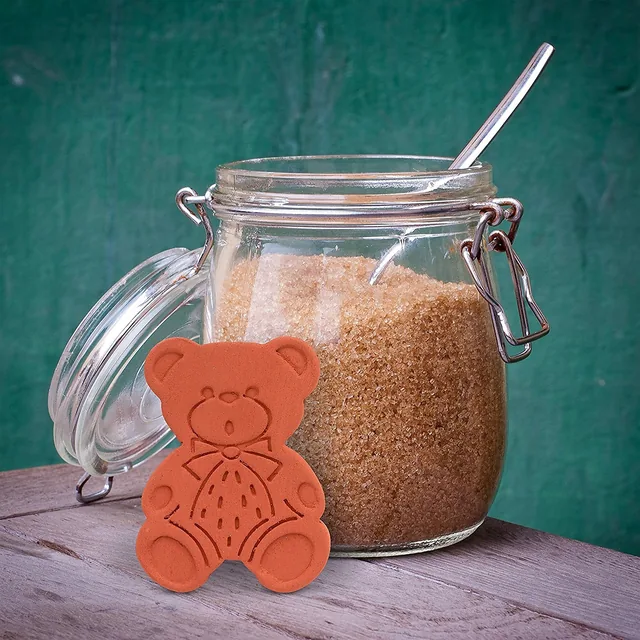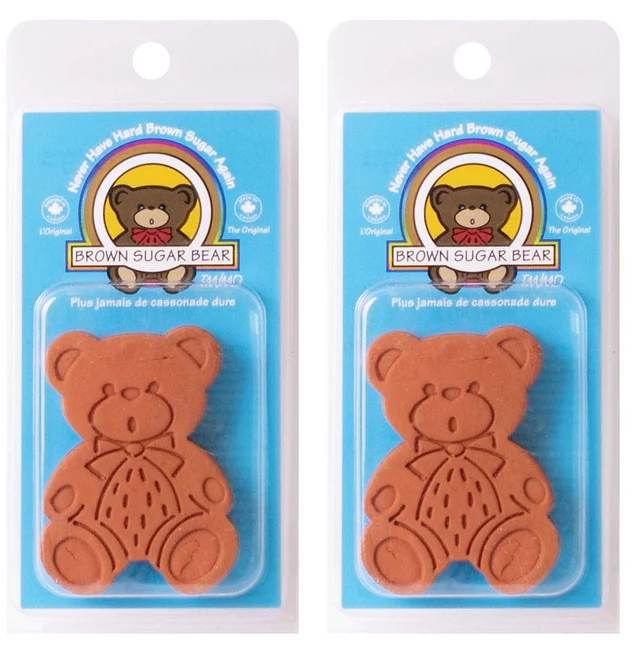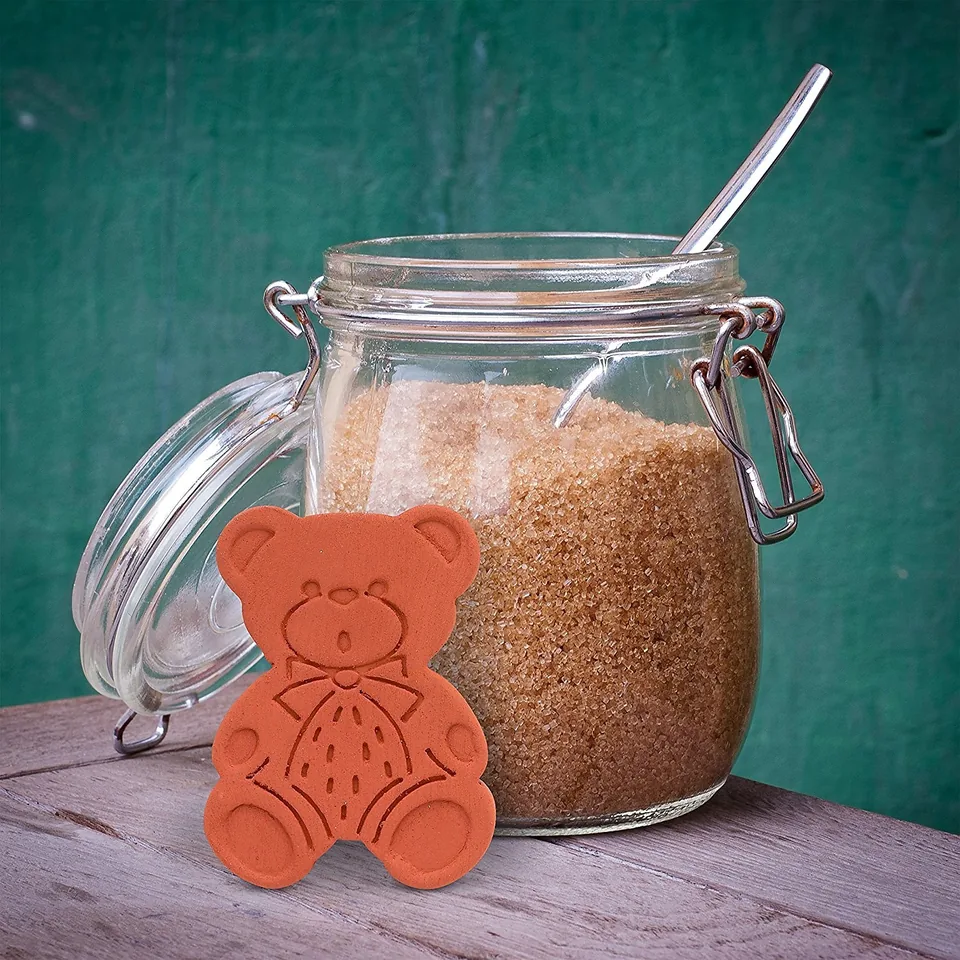
Give your Brown Sugar Bear a 20-minute soak in clean water, pat the surface dry, and place it with your brown sugar in a tightly closed container. That small routine helps keep the sugar ready for measuring instead of leaving you with a hard block when the mixing bowl is already out.
The useful part of the bear is its specially fired clay. It takes up water during the soak, then releases moisture gradually inside the container. The familiar shape makes it easy to spot among the sugar, but it is a kitchen tool, not an ingredient. Lift it out before weighing, pouring, or mixing. This guide walks through the first use, the checks that matter afterward, and the small adjustments that make the routine fit your kitchen.
Before you open the sugar bag
Set out the bear, a bowl large enough to submerge it, clean lukewarm water, a clean towel, and your sugar container. A quiet stretch of preparation is helpful: start the soak while you clear a shelf or put away groceries. You do not need to stand over the bowl for the full 20 minutes. Set a timer so the next step is easy to remember.
Check the ceramic before putting it into food. Look at the edges and both faces under good light. A broken piece, a loose fragment, or a crack that catches your attention is a reason to pause and arrange a replacement through the order you placed. Do not patch food-contact clay with household glue. A practical storage accessory should arrive ready to use; repairing a damaged one creates an unnecessary question every time you scoop sugar.
Choose a container with a lid that closes firmly. The bear supplies moisture, while the container helps keep that moisture where it belongs. A loose-fitting decorative canister can undermine the routine even if the bear was soaked correctly. You can keep sugar in its original resealable bag if the closure is sound, or transfer it to a clean food-storage container. The best choice is the one you can close completely after every use.
Step 1: soak for 20 minutes
Put the bear into the bowl and add enough clean water to cover it. Use plain water without dish soap, fragrance, flavoring, or another additive. The pores that make the clay useful for moisture also make water-only care a sensible habit. The creator’s instructions call for approximately 20 minutes in clean lukewarm water. That is the setup time for the bear; it is not a promise that a solid block of sugar will soften in 20 minutes.
Let the bear sit undisturbed. There is no need to scrub it during the soak or weigh it down with utensils. If the bowl is shallow, check that the upper edge remains under water. Giving yourself a little extra room makes it easier to lift the ceramic without knocking it against a hard rim. Handle it as you would a small piece of pottery, even though its job is everyday and uncomplicated.
A first-use routine works best when everyone in the kitchen understands it. If another person sees the bear in a bowl, a short note beside the timer can prevent it from being mistaken for something waiting to go into the dishwasher. The point is not to make the accessory fussy. It is to give a simple tool a clear place in the way your household stores ingredients.
Step 2: pat the outside dry
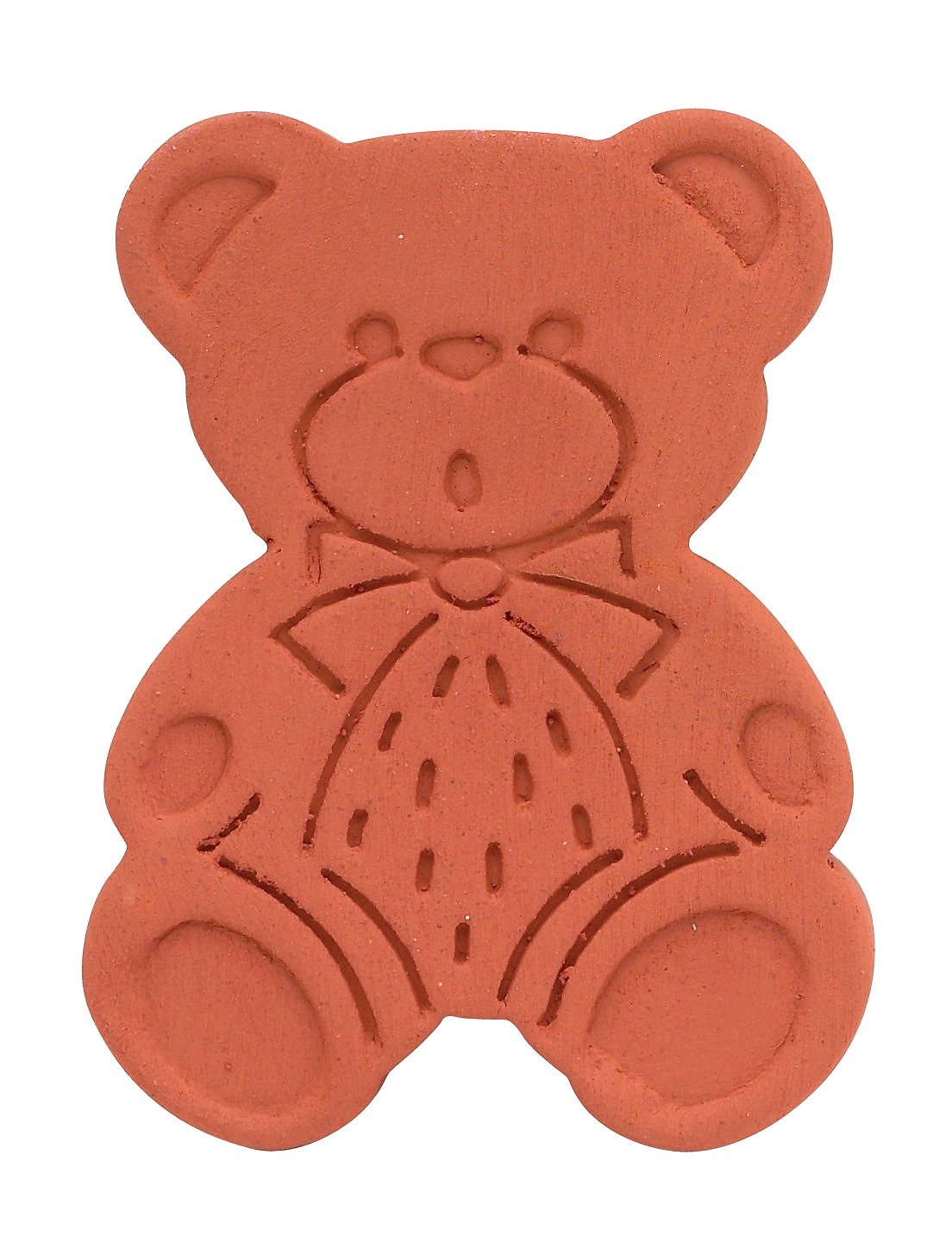
Lift the bear out and blot its surface with a clean cloth or paper towel. You want water held within the clay, not droplets running into the sugar. Pay attention to the lower edge and the small recesses in the design. A few gentle pats should remove visible surface water without rubbing the ceramic aggressively.
This distinction explains much of the method. A hydrated bear can feel damp while its surface is no longer dripping. It does not need to become completely dry before it goes into brown sugar; drying it all the way would remove the water you just asked it to hold. Equally, a dripping bear adds water in one spot rather than letting moisture move gradually through the closed container.
Keep the towel clean and free from strong laundry fragrance. If the bear picks up an unwanted odor or shows loose material, stop and check its condition before using it. Do not try to cover a smell with vanilla or another kitchen flavoring. Plain water, a clean drying surface, and a sound piece of clay make the intended process straightforward.
Step 3: place it with the brown sugar
Set the prepared bear with the sugar and close the container. Resting it near the top makes it easier to find at the next baking session. You do not have to bury it under a full bag or press it hard into a compacted block. Leave enough space that the lid closes normally and a scoop can move without hitting the bear.
If you transfer sugar from its original package, keep the product name and any information you need from the bag. Light and dark brown sugar can look surprisingly similar under a warm kitchen light. A simple label prevents a storage improvement from becoming an ingredient mix-up. Mark the opening date if that is already part of your pantry routine; avoid covering the lid seal with a label.
Now give the closed container time. Fresh, soft sugar mostly needs help retaining its texture. Sugar that has already formed a hard block needs time to take moisture back up. Check the condition rather than working to an exact deadline. Different amounts of sugar, different containers, and different room conditions will not all respond at the same speed.
Your first-use checklist
| Stage | Ready to move on when | Avoid |
|---|---|---|
| Inspect | The bear is intact and clean | Using chipped or repaired ceramic |
| Soak | It has been submerged for about 20 minutes | Adding soap or fragrance |
| Blot | No visible water drips from the surface | Pouring soaking water into the sugar |
| Store | The bear is with the sugar and the lid closes fully | Leaving a scoop trapped under the lid |
| Check | The sugar is easy to portion for your recipe | Assuming every hard block softens at the same rate |
Use this checklist the first few times, then keep the routine as simple as the product itself. It is more useful to understand why each step matters than to add extra steps. A special cleaning solution, an expensive jar, or a complicated schedule will not compensate for a lid that remains ajar after the morning oatmeal.
When the sugar is already hard
Start with the same soak-and-blot routine. Put the prepared bear into the container with the hardened sugar and close it. Resist the urge to pour water directly onto the block. A concentrated wet patch can leave one area sticky while the rest remains hard, which makes measuring more difficult. The bear is intended to supply moisture gradually, so patience is part of this particular approach.
When you check again, see whether the edges break apart with gentle pressure from a spoon or fork. Avoid driving a sharp utensil into the block, especially when it is inside glass. You are looking for the return of workable sugar, not trying to force a brittle lump apart at the expense of the container. If the outside loosens before the center, close the lid and allow more time.
Planning matters if you are baking to a deadline. Set up the bear when you notice the problem, rather than counting on it to rescue ingredients immediately before guests arrive. For a fuller discussion of storage and last-minute decisions, read our guide to keeping brown sugar soft. Once the sugar is easy to portion, the same closed-container routine helps you maintain that texture between uses.
What the clay does inside the container
The bear’s material is porous. Water enters those pores during soaking, and moisture can leave them again afterward. Placing the hydrated clay beside brown sugar in a closed container gives the sugar access to that moisture over time. The process does not require a battery, a moving mechanism, or a disposable refill. It does require the clay to be prepared and the container to do its share of the work.
Think of the container and the bear as two parts of one storage habit. The lid limits exchange with the room. The hydrated clay provides a moisture source inside. If you leave the container open for a long baking session, replace the lid when you finish taking what you need. You do not need to worry about every brief opening, but repeated long periods uncovered make the storage job harder.
Softness is also different from freshness in every other sense. A bear cannot correct contamination, remove an unwanted smell, or turn unsuitable food into something you should use. Its purpose is texture management. Keep clean utensils in the sugar, keep other ingredients out, and make ordinary food-storage judgments independently of whether the sugar feels soft.
How to know when to re-soak
Check the sugar as you use it. If it begins to clump or harden again, lift out the bear and repeat the 20-minute soak, then pat it dry and return it to the closed container. That is a more useful home routine than treating a printed month range as an exact appointment. Climate, the container seal, how often you open it, and the condition of the sugar all influence the result.
A small reminder can help in a household that bakes only occasionally. Put a note on your shopping list or kitchen calendar to check the sugar before the next planned baking day. The reminder is to inspect the ingredient, not to add water automatically. If the sugar is still soft and usable, continue storing it well. If it is becoming firm, refresh the bear before you need the ingredient.
Keep light and dark brown sugar separate if you normally buy both. Each closed container needs its own moisture routine. Moving one bear back and forth is inconvenient, especially if the jars are opened at different times. The two-pack gives you a bear for each container. For one regularly used jar, the single bear keeps the setup simple.
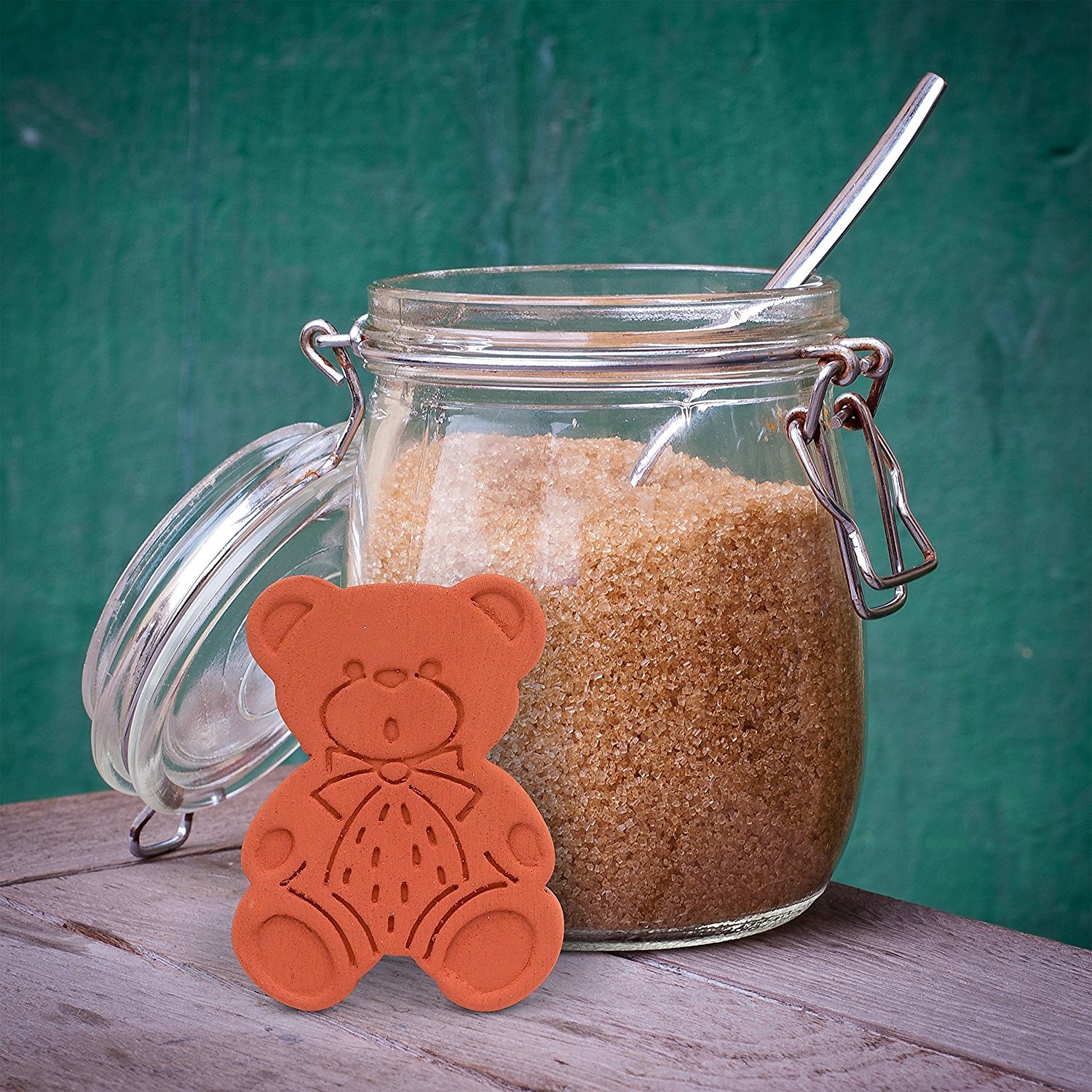
Give the bear room to do its job
Before you fill a new container, check the opening and lid clearance. You should be able to place and retrieve the bear without forcing it through a narrow neck. A wide opening is also convenient for a measuring cup. If the jar is already full to the top, remove enough sugar to close the lid comfortably. Crushing the bear between sugar and a lid is not a useful way to gain a little extra storage space.
Food-safe storage containers come in many materials. Focus on the condition of the container, the fit of its lid, and how easy it is to clean and dry. A transparent jar lets you see how much sugar remains, while an opaque canister may fit your shelf better. Neither appearance tells you whether the closure is sound. Check the practical details before changing your whole pantry to match a photograph.
If you keep the original sugar bag inside a larger container, make sure the bear is with the sugar rather than outside a sealed inner bag. The moisture needs access to the ingredient. You can open the bag within the canister or use the bag itself as the tightly closed container. Avoid creating a tidy-looking arrangement that separates the bear from the food it is meant to help.
Rinse with plain water
When sugar sticks to the bear, rinse it gently with clean water. Give adhered crystals time to dissolve instead of scraping them off with a knife. The creator specifically advises against soap because the porous clay can retain a taste or scent. Keep the bear out of your usual sinkful of soapy dishes and make its rinse a separate small task.
Do not assume the care directions for another sugar saver apply to this one. A disk designed to attach under a particular container lid may have different construction. A bread warmer or pot minder may also be ceramic, but it serves a different purpose. Unless the instructions that come with your exact item say otherwise, keep the routine to the documented water soak, surface blot, and gentle rinse.
After rinsing, decide how you will use it next. If it is returning to brown sugar, prepare it as a hydrated saver. If you are putting it away, allow it to dry completely in a clean place first. Store the dry bear where it will not be knocked around by heavy utensils. A little care for the ceramic is easier than finding a chipped piece during your next baking session.
Wet use and dry use are different
The product instructions describe two roles. After soaking and blotting, the bear can help maintain moisture with brown sugar and other suitable foods. Completely dry clay can instead take up moisture in a closed container. Those are opposite starting conditions, so decide what the ingredient needs before putting the bear in. A damp bear is not a universal pantry accessory for every jar on the shelf.
For brown sugar, follow the hydrated routine in this guide. For a dry use described by the product instructions, start with a fully dry bear and a suitable closed container. Keep strongly scented foods separate from a bear you use with sugar. Assigning a particular bear to one ingredient makes it easier to avoid transferring odors and easier to remember whether it should be hydrated or dry.
You do not have to use every possible application to get value from the product. If your only recurring problem is hard brown sugar, let that be the bear’s only job. A reliable single-purpose habit often serves a small kitchen better than moving the same accessory among several ingredients and forgetting how it was last prepared.
A practical troubleshooting routine
If the sugar is still hard, check the container before changing the soak. Is the lid fully closed? Is a gasket displaced, or is sugar caught around the rim? Is the bear actually inside the same closed space as the sugar? These are ordinary questions with ordinary fixes. Once the closure is sound, confirm that the bear was soaked and blotted, then allow the closed container more time.
If the sugar has a damp patch, consider whether the bear went in dripping. Lift it out, check the ingredient’s condition, and review the blotting step before the next use. Do not keep adding water in an attempt to make the rest match the wettest area. A visible problem is a reason to pause and assess, not a reason to make the moisture supply more aggressive.
If the ceramic seems damaged, remove it from the food. Customer comments can be useful for knowing what to inspect, but another person’s willingness to use a cracked bear is not a care instruction. Follow the condition of your own item and seek order support when needed. You should not have to guess whether a fragment could come loose into a measured ingredient.
| What you notice | What to check | Next step |
|---|---|---|
| Sugar keeps hardening | Lid, seal, and where the bear sits | Close securely and re-soak when needed |
| Sugar is still one block | Preparation and time in the closed container | Allow more time; do not force with a sharp tool |
| Wet sugar beside the bear | Visible droplets after soaking | Revisit the surface-blotting step |
| Unwanted scent | Soap, storage, or strongly scented ingredients | Stop using it until the cause is resolved |
| Chips or loose material | Both faces and edges of the ceramic | Remove the bear and seek a replacement |
On baking day
Open the container, find the bear, and move it to a clean dish while you portion the sugar. This is especially helpful when you pour directly into a bowl on a scale. A ceramic bear belongs back in the storage container, not in the recipe bowl. Make a quick visual check before starting a mixer or handing the bowl to someone else.
Follow the recipe’s measuring method. If it gives a weight, weigh the sugar without the bear. If it asks for packed brown sugar, fill and pack the measuring cup as directed rather than counting large hard lumps as a full measure. Having workable sugar makes those steps easier, but the saver does not replace careful measuring.
Return the bear after you finish and close the lid promptly. Wipe away any crystals that prevent a clean seal. That final moment is a good time to see whether the sugar is still soft and whether you need to buy more before the next recipe. The routine takes very little attention once it becomes part of putting the ingredients away.
When you finish one bag and open the next
An empty container is a useful opportunity to reset the arrangement. Remove the bear before washing the jar, and follow the container maker’s directions for the jar and lid. The ceramic has its own water-only care routine, so keep it separate from the container’s cleaning process. Dry the jar and all closure parts fully before adding fresh sugar. A little trapped wash water is different from moisture held inside a properly prepared bear.
Check whether you want to finish the remaining sugar before adding a new bag. Keeping track of what is already open is easier when you avoid topping up indefinitely without looking at the contents. If you transfer the last portion to another suitable container, keep it labeled and close it well. The bear can stay with the sugar you are using, but remember that two sealed containers are two separate spaces.
Before returning the bear, inspect it and rinse away adhering crystals. Refresh the soak if needed, blot the surface, and set it with the new sugar. Check the lid one more time. This small reset lets you begin the next bag with a clean container, a known ingredient, and an intact accessory instead of carrying a forgotten storage problem forward.
Start with the number of containers you use
Choose one bear for one brown-sugar container. Choose two if you keep separate light and dark sugar jars, share a set with another baker, or want one dedicated to a second suitable use. The pack choice changes how many bears you receive; it does not change the basic soaking instructions. Our single-versus-two-pack guide helps you plan the arrangement around the way you actually cook.
Put the setup instructions where they will be useful on the first day, then let the bear settle into an ordinary kitchen habit. Twenty minutes in water prepares the clay. A careful blot keeps droplets out. A closed container holds the conditions together. After that, checking the sugar as you bake tells you when the routine needs repeating.